Exodus
When God Seems Silent: Seeing Through the Eyes of the Oppressed
An imaginative retelling of Israelite slavery in Egypt invites us to feel the weight of oppression and the quiet hope that someone bigger than Pharaoh is watching.
Walking in Their Sandals
I want you to imagine being a child walking home with your older brother who's limping. His hands are cracked and dusty — and so are yours, a little. You've been carrying water and scraps of straw all day.
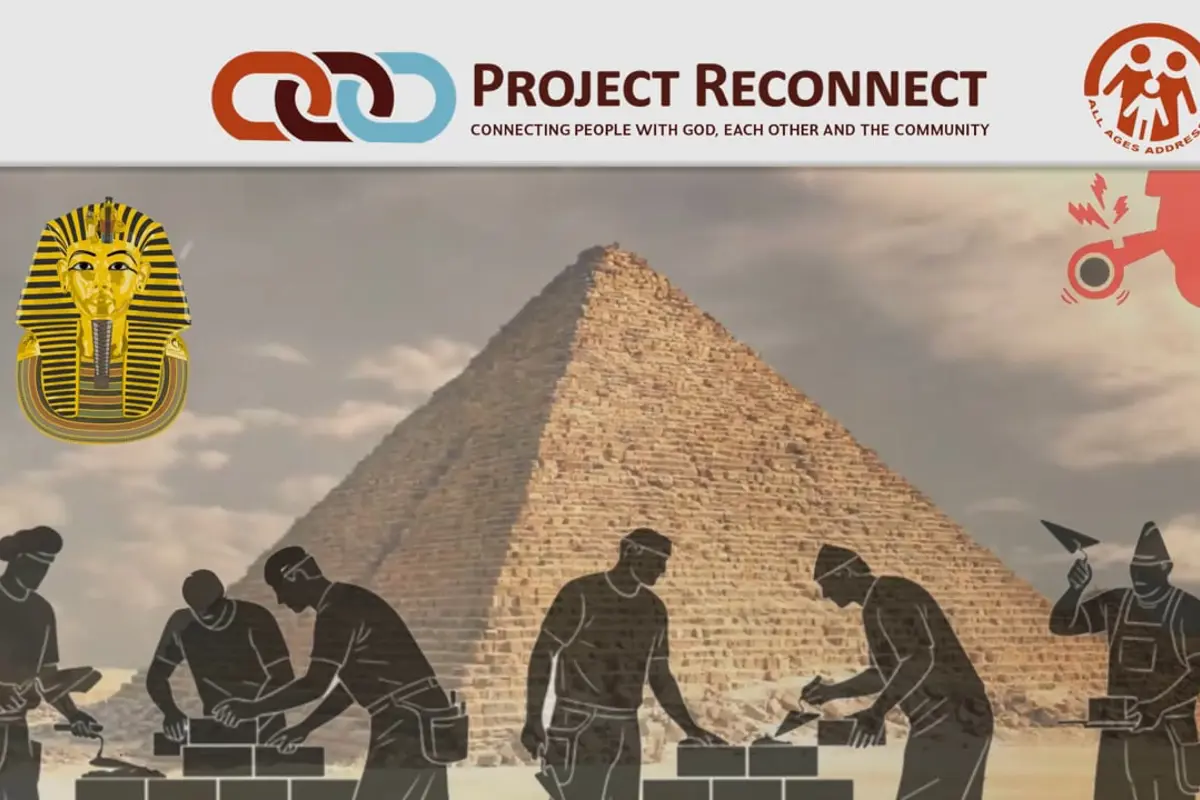
People have been shouting numbers. How many bricks? Faster. Same amount as yesterday. But today, instead of just making the bricks, your brother also had to run and harvest his own straw. He tried. Everyone did.
When the count came up short, the shouting got louder. The whip came out. That's why your brother is limping.
The Weight of Silence
You walk home in silence. At the doorway, your father sits with his head down. He says nothing. No one prays out loud tonight.
Later, when you are almost asleep, you hear the grownups talking. They say, "We're lazy." They say, "They took notice of us today — but not in a good way." And then someone says, "God hears us."
What a Child Understands
You don't understand how God hears. But you understand tiredness. You understand unfairness. And you hope that someone much bigger than Pharaoh noticed.
Sometimes faith isn't a grand declaration — it's the quiet, stubborn hope of a child who knows that the world isn't right and trusts that someone sees.